How to Gain Muscle Mass: The Honest Complete Guide
Discover the real science and practical tips to build muscle mass safely and effectively with this honest guide.
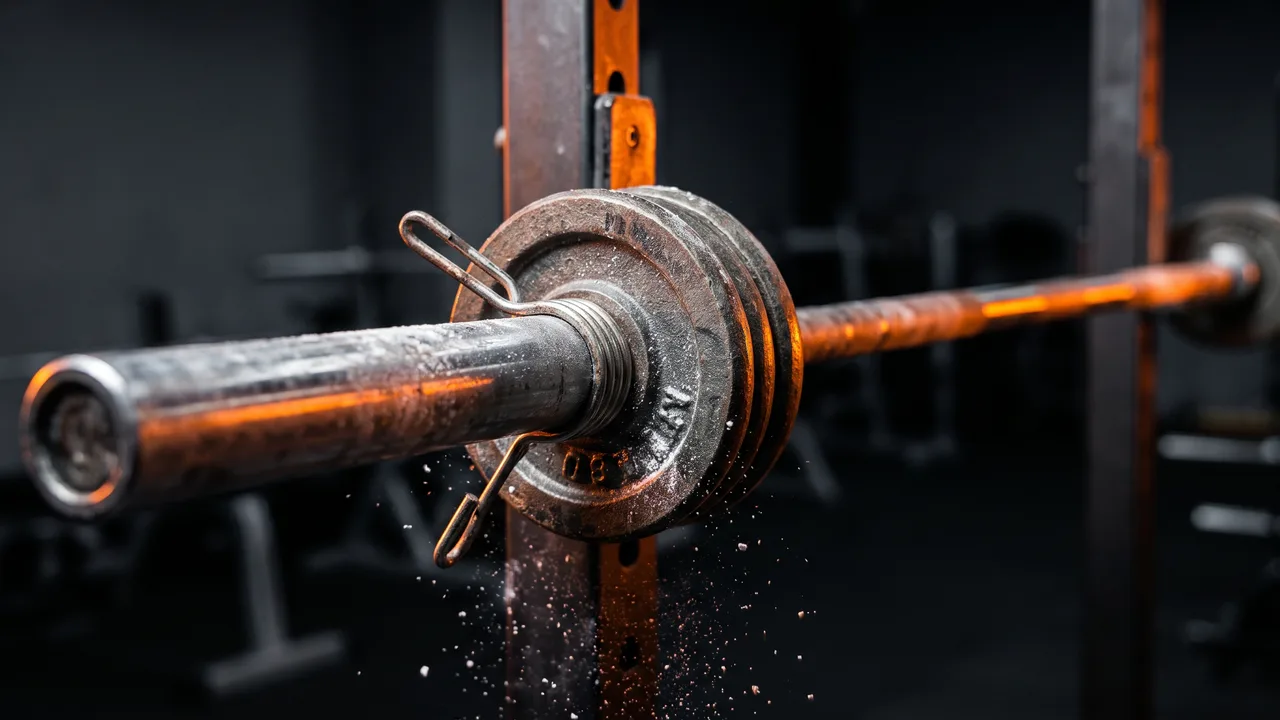
Building muscle requires consistent effort, proper nutrition, and smart training strategies. Focus on progressive overload by gradually increasing the weight or reps over time, which is key to stimulating muscle growth. Prioritize compound movements like squats, deadlifts, and bench presses, as they engage multiple muscle groups and promote efficient hypertrophy.
Tracking your progress is just as important as the work itself. Use tools like eBolts to log your workouts, monitor your load adjustments, and stay on top of your training goals. Consistency, combined with adequate recovery and nutrition, creates the foundation for sustainable muscle gain.
How to Build Muscle Mass: The Science Behind Hypertrophy
Building muscle mass relies on creating a surplus of mechanical tension, metabolic stress, and muscle damage through resistance training. These three factors are in general accepted as the primary drivers of hypertrophy. To effectively stimulate muscle growth, lift weights that challenge your muscles to the point of failure, typically 8–12 reps per set. Training with moderate to heavy loads, around 70–85% of your one-rep max, is often most effective for maximizing muscle fiber recruitment.
Consistency and progressive overload are essential for long-term hypertrophy. Progressive overload means gradually increasing the weight, volume, or intensity of your workouts over time. This forces your muscles to adapt and grow stronger. Tracking your progress with tools like eBolts can help you manage and adjust your training load efficiently, ensuring you’re always pushing your limits.
- Focus on 8–12 reps per set for hypertrophy
- Train with 70–85% of your one-rep max
- Use progressive overload to keep muscles challenged
- Prioritize compound movements like squats and deadlifts
How to Eat for Muscle Growth: Nutrition Tips for Hypertrophy
Proper nutrition is essential for muscle growth, as muscle repair and growth occur during recovery. Consuming enough protein supports muscle protein synthesis, which is critical for hypertrophy. Aim for 1.6 to 2.2 grams of protein per kilogram of body weight daily, spread across meals. Carbohydrates also play a role by fueling workouts and aiding recovery, while healthy fats support hormone production and overall health.
Timing of meals can influence muscle growth, though the science is not as clear-cut as once believed. Eating a balanced meal with protein and carbs within 30 to 60 minutes after a workout may help with recovery. However, consistent nutrient intake throughout the day is more important than specific meal timing. Prioritize whole foods like lean meats, eggs, dairy, legumes, and vegetables for long-term health and muscle support.
- Include lean protein sources like chicken, fish, and eggs
- Add complex carbs like oats, rice, and sweet potatoes
- Incorporate healthy fats from avocados, nuts, and olive oil
- Stay hydrated with water and electrolytes
- Avoid excessive processed foods and added sugars
Pair your protein intake with carbs post-workout to maximize muscle recovery and growth.
How to Train for Muscle Gain: Effective Workout Strategies
To build muscle effectively, focus on progressive overload by gradually increasing the weight, reps, or intensity of your workouts. This stimulates muscle growth by creating microtears in muscle fibers, which repair and grow stronger over time. Consistency is key—train each major muscle group 2–3 times per week with adequate recovery between sessions.
Prioritize compound exercises like squats, deadlifts, and bench presses, as they engage multiple muscle groups and promote greater hypertrophy. Use a mix of free weights and machines to target different movement patterns and muscle imbalances. Keep your workouts structured with clear goals, such as increasing weight or improving form.
- Use a 1-kg increment for gradual progression
- Track your last workout for each exercise to know when to increase weight
- Implement regressional rest between sets for better recovery
- Utilize preloaded resistance bands for added tension
- Save heavier lifts for later in your workout
Start each workout with a warm-up set at 50-60% of your working weight to prepare your muscles and reduce injury risk.
How to Track Progress: Tools to Measure Muscle Growth
Tracking progress is key to making consistent gains in muscle mass. This feature helps you stay on track with your goals without overloading too quickly. You can also use the app to log your workouts, view historical data, and see how your strength and volume are trending over time.
In addition to digital tools, keeping a manual workout journal can be effective for tracking reps, sets, and weights. Writing down your progress helps you notice patterns and make adjustments to your training. Many apps also allow you to export your data as CSV, which can be useful for analyzing your performance or sharing with a coach.
- Supports microloading with 1kg increments and fractional loading
- Stores historical data and generates progress graphs
- Works offline and syncs later for convenience
- Includes pre-made workout templates and a training builder
How to Avoid Plateaus: Tips to Keep Gaining Muscle
Avoiding plateaus requires intentional changes to your training and nutrition. In general, your body adapts to the same stimulus over time, so increasing the intensity, volume, or complexity of your workouts can help break through stagnation. Focus on progressive overload by gradually increasing the weight, reps, or sets you perform, which signals your muscles to grow stronger and bigger.
The app shows your last workout session for each exercise and suggests when to increase the load, which is key for continued muscle growth. It also allows for microcargas, which can be especially useful when you're struggling to add weight.
- Increase weight gradually using progressive overload
- Try different rep ranges (e.g., 6-8 or 10-12 reps)
- Incorporate advanced techniques like drop sets or supersets
- Change your workout order or focus on new muscle groups
- Use microcargas to push past small plateaus
Practical example: a 4-week plan
Building muscle requires consistency, progressive overload, and proper recovery. A 4-week plan can help you structure your training to gradually increase intensity while maintaining volume. This example uses a full-body split, focusing on compound lifts and moderate weights, with adjustments based on your experience level and equipment availability.
- Week 1: Barbell Squat 4x8 (60kg/132lbs), Bench Press 4x8 (50kg/110lbs), Deadlift 4x6 (65kg/143lbs) – Tip: Focus on form and control, especially with heavier lifts.
- Week 2: Barbell Squat 4x7 (65kg/143lbs), Bench Press 4x7 (55kg/121lbs), Deadlift 4x5 (70kg/154lbs) – Tip: Increase weight gradually and prioritize recovery between sets.
- Week 3: Barbell Squat 4x6 (70kg/154lbs), Bench Press 4x6 (60kg/132lbs), Deadlift 4x4 (75kg/165lbs) – Tip: Use a 1-kg/1.25-lb increment for small, safe progress.
- Week 4: Barbell Squat 4x5 (75kg/165lbs), Bench Press 4x5 (65kg/143lbs), Deadlift 4x3 (80kg/176lbs) – Tip: Track your progress and adjust weights based on how you feel during each set.
This helps you stay consistent and make data-driven adjustments.
Common mistakes
Many people make errors that prevent them from building muscle effectively. These mistakes often stem from misunderstanding how muscle growth works, not following proper training principles, or not tracking progress. Fixing these issues can significantly improve results.
- Mistake — training too often without enough recovery. Fix it by ensuring adequate rest between sessions and prioritizing sleep and nutrition.
- Mistake — using the same weight for too long. Fix it by gradually increasing the load using progressive overload techniques.
- Mistake — neglecting proper form. Fix it by focusing on technique and using a spotter or training partner when needed.
- Mistake — skipping progressive overload. Fix it by systematically increasing the weight, reps, or intensity over time.
- Mistake — not tracking progress. Fix it by using a training log or app to monitor lifts, weights, and improvements.
Next step
Now that you've covered the essentials of building muscle, it's time to apply what you've learned. For your next workout, focus on one major compound movement like squats or bench press, and use a weight that challenges you but allows you to maintain proper form. Aim for 3-5 sets of 6-12 reps, and make sure to track your progress to stay motivated and adjust your plan as needed.
Use a training log to keep track of your lifts and progress.
Frequently asked questions
How often should I train each muscle group?
Train each muscle group 2–3 times per week in general. For example, split your week into upper body, lower body, and a push/pull/legs day. Avoid training the same muscle group on consecutive days to allow recovery.
What is the best way to increase muscle mass?
The best way to increase muscle mass is through progressive overload, which involves gradually increasing the weight or resistance over time. For example, add 2.5-5 lbs to your lifts every 2-4 weeks as you get stronger. Be cautious not to increase too quickly, as this can lead to injury or plateaus.
How long does it take to see muscle growth?
Building noticeable muscle growth typically takes 8–12 weeks of consistent training with progressive overload. For example, gradually increasing weights by 1–2.5 kg every 2–4 weeks can help track progress. Avoid expecting rapid gains; focus on steady, sustainable effort for best results.
Can I build muscle without using weights?
Building muscle without weights is possible but less efficient. Bodyweight exercises like push-ups and squats can stimulate hypertrophy, especially for beginners. However, resistance is needed for significant gains, so adding bands or resistance loops can enhance effectiveness.
Recommended gear
Affiliate links: we may earn a commission at no extra cost to you.
Put into practice: Routines & Guides
Follow workouts and detailed exercise biomechanics directly related to this article:
Track every set — free
Fractional loads, rest timer, history, last-time suggestions and progress charts. Works offline.
Create free account